
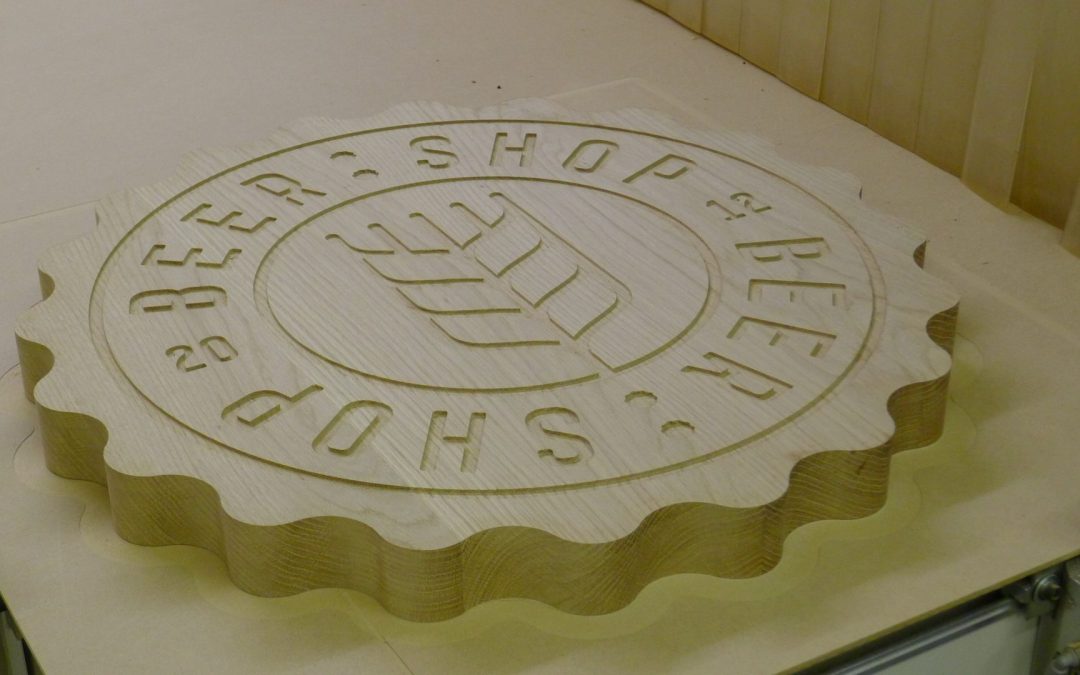
When it comes to tailored work, even a difference of a few millimetres can be problematic. In fact, this can be vital when you are working on a one-off cabinet, cutting intricate signage, or creating a detailed architectural feature. This is where CNC cutting in Lewes comes in handy. It offers a level of precision that is difficult to achieve consistently by hand.
Computer-controlled cutting follows a carefully prepared digital design, allowing intricate shapes, openings and details to be crafted with great precision. For designers, architects, and carpenters, that kind of precision/ consistency matters a lot.
What Makes CNC Cutting So Precise?
A CNC machine follows digital instructions that state where and how the cutting tool moves. Once the design and settings have been checked, the machine can reproduce the same dimensions repeatedly, without fail.
This becomes particularly useful when several identical components are needed. Producing each unit/ piece manually can lead to certain differences. Initially, those differences may seem insignificant, but once everything is assembled, it can become too obvious. This is where CNC cutting shines.
Why Does Precision Matter in Bespoke Projects?
Precision is key for intricate work. Curves, slots, holes, recesses, and other detailed shapes can be difficult to achieve with conventional hand tools. Moreover, proportions, symmetry, and fit are often central to the design.
For a joiner creating fitted furniture, accurate cutting reduces the amount of trimming needed later during installation. For an architect, it helps make sure that a digitally developed feature translates right into a physical component without losing its intended proportions. A sign maker may need lettering or logos to maintain consistent spacing and shape across multiple pieces.
This is how CNC cutting in Lewes has proven useful for projects involving repeat components or detailed designs. There’s also a creative advantage. When a cutting process can handle complex shapes reliably, designers do not have to restrict their ideas.
Things to Check Before CNC Cutting
Before the cutting begins, check the digital drawing for dimensions, curves, openings and tolerances. Material thickness needs to be factored in as well. This is because different materials can behave differently during cutting.
It is equally important to consider how the components/ units will fit together. A tiny dimensional error may be insignificant in an isolated piece but problematic when several components need to connect precisely. Also, a clear communication between the designer and the person preparing the cutting can prevent costly mistakes.
In short, for bespoke projects where repeatability is important, CNC cutting in Lewes can provide a dependable bridge between digital design and physical production.
Key Takeaway
CNC cutting is highly precise, and this reliability is what makes it apt for bespoke furniture, architectural features, cabinetry, and even signage. In fact, the technology gives skilled professionals greater control over complex or repetitive work.
At Alden Cabinet Designs, we support architects, designers, joiners, carpenters, shop fitters, and sign makers with precise CNC routing. We can produce bespoke components from materials including solid wood, MDF, and plastic, helping tradespeople turn detailed designs into accurately cut pieces.
Got a complex design or a cutting job taking up too much workshop time? Get in touch for help.